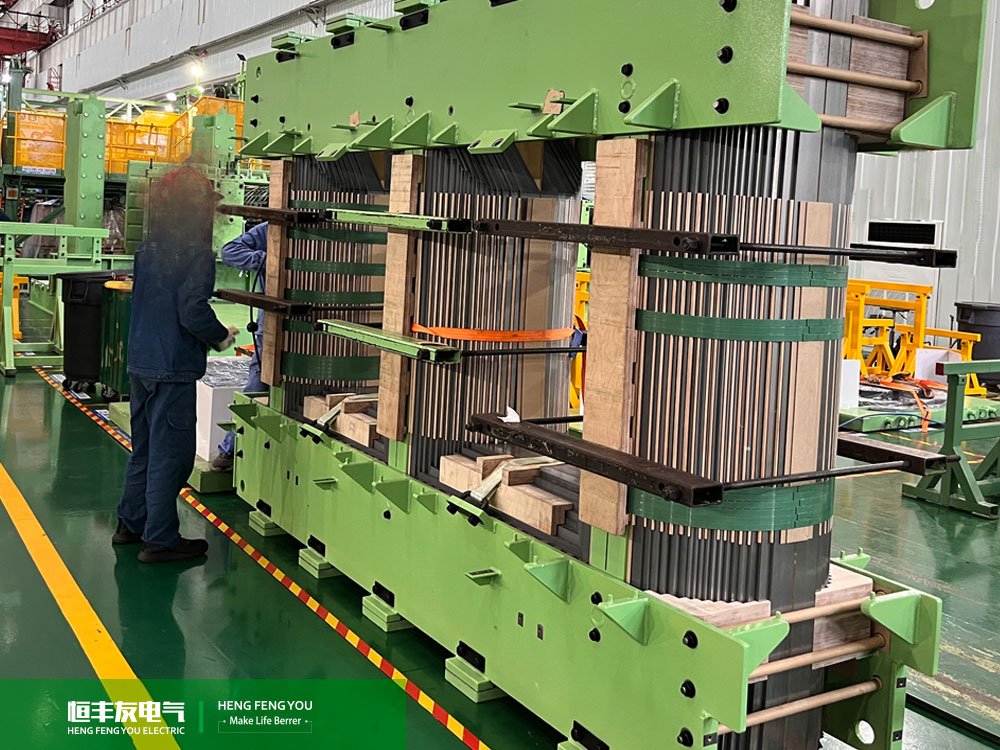
Australia features complex geographical and environmental conditions, including high temperature and aridity in inland areas, heavy salt mist and high humidity along coastlines, as well as persistent sandstorms and intense ultraviolet radiation. The local power grid operates at a frequency of 50Hz, and power distribution equipment must strictly comply with Australia’s mandatory standards such as AS/NZS, SAA, MEPS and RCM. Industrial and mining parks, new energy power stations, port industrial zones and commercial complexes impose stringent requirements on power distribution equipment in terms of fire safety, zero leakage, weather resistance and low power loss.
Qingdao Hengfengyou Electric Co., Ltd. has long been engaged in the R&D and manufacturing of power transmission and distribution equipment, with a complete set of international certifications and rich experience in global cross-border project delivery. Tailored to the load and power distribution requirements of this project, we provide a full-process solution for 7 sets of 33/0.4kV copper winding dry-type compact substations, including 4 units of 2000kVA 33/0.4kV dry-type compact substations and 3 units of 4000kVA 33/0.4kV dry-type compact substations. The 2000kVA units are equipped with 5 outgoing circuits of 630A each, while the 4000kVA units are fitted with 10 outgoing circuits of 630A each. Adopting an all-copper winding dry-type structure, the equipment contains no insulating oil and features fire and explosion resistance. It is fully adapted to operating conditions and power grid specifications across Australia. We deliver one-stop services covering design, production, certification, cross-border transportation, installation and operation & maintenance to support the safe and efficient operation of local power grids.
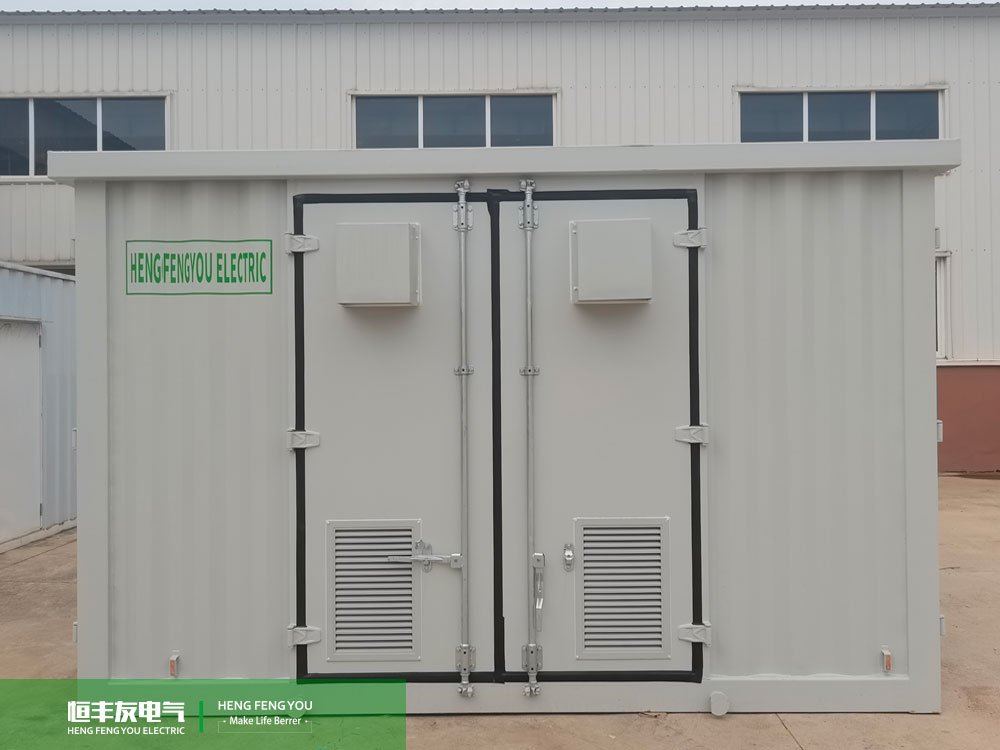
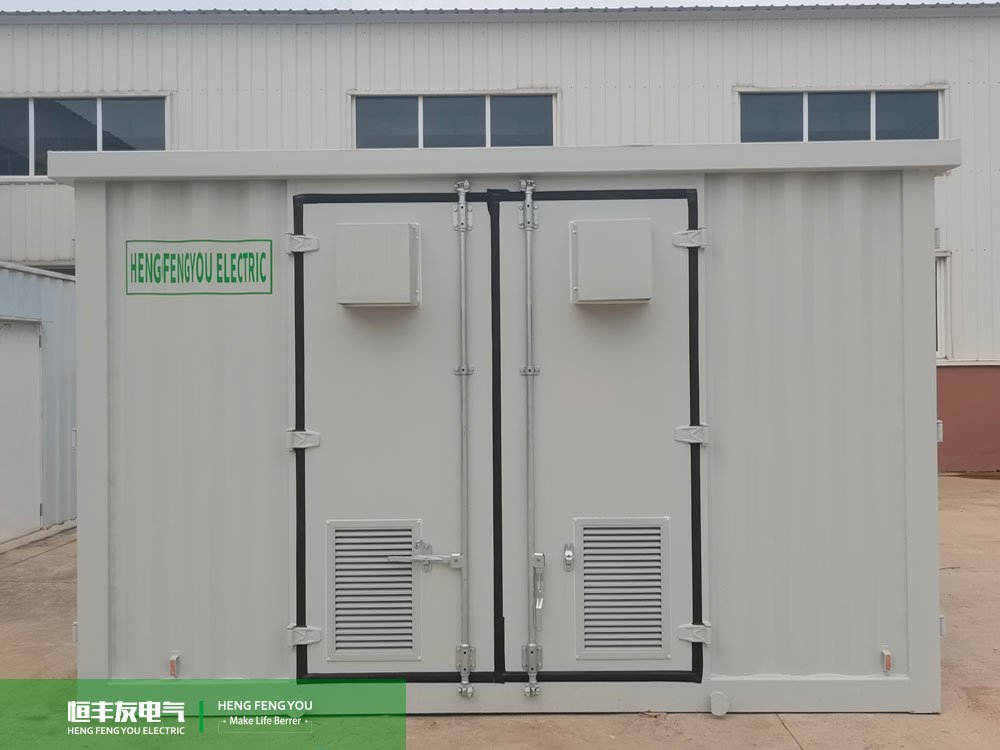
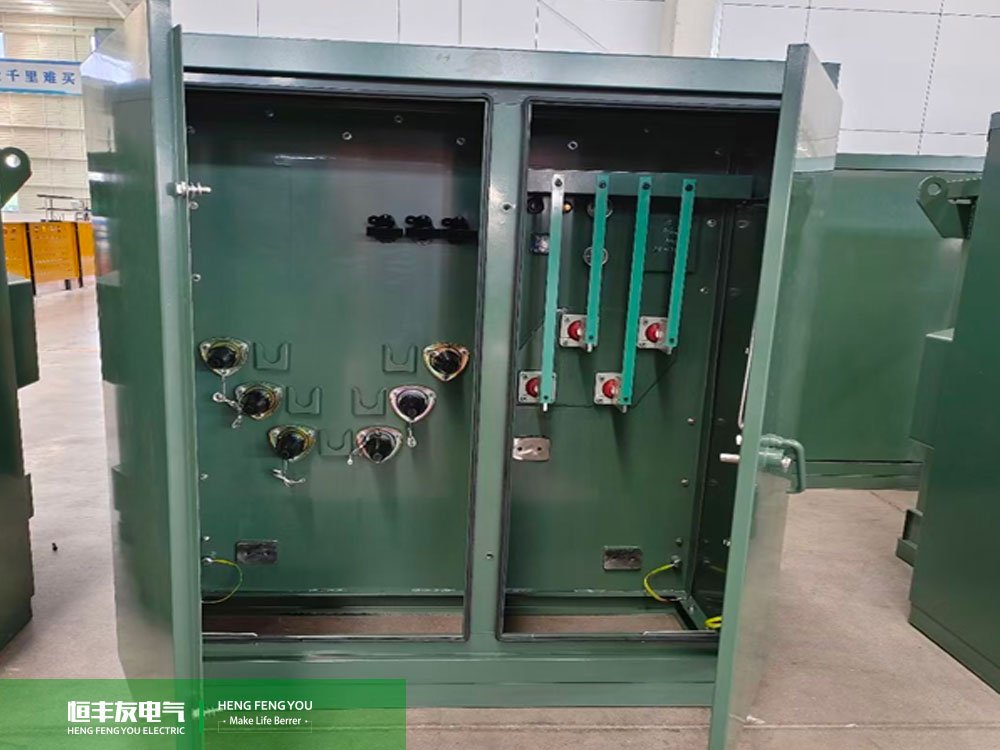
This customized solution is developed for large-scale outdoor power distribution projects in Australia. The integrated compact substation integrates H-class epoxy resin cast dry-type transformer, medium-voltage distribution unit, low-voltage outgoing cabinet, intelligent protection system, temperature control & heat dissipation system, lightning protection and earthing system. Manufactured with high-purity copper windings, the equipment achieves zero leakage, maintenance-free operation, excellent resistance to harsh environments and low operating losses. As a professional manufacturer of export-oriented power distribution equipment, all our products have obtained authoritative certifications including SAA, MEPS and RCM of Australia, fully complying with AS/NZS series standards. Designed for 33kV medium-voltage incoming power and 0.4kV low-voltage output, the substations can operate stably in all outdoor scenarios across Australia, including inland regions, coastal areas and suburban parks.
| Specification | Quantity | Low-Voltage Outgoing Configuration | Application Scenarios |
|---|---|---|---|
| 33/0.4kV 2000kVA Dry-Type Compact Substation | 4 Units | 5 outgoing circuits of 630A | Auxiliary factory buildings, supporting structures and medium & small load zones |
| 33/0.4kV 4000kVA Dry-Type Compact Substation | 3 Units | 10 outgoing circuits of 630A | Main production workshops, centralized load centers and large power consumption areas |
| Parameter | 2000kVA (2MVA) | 4000kVA (4MVA) | Remarks |
|---|---|---|---|
| Equipment Type | Outdoor integrated copper winding dry-type compact substation | Outdoor integrated copper winding dry-type compact substation | Epoxy resin cast dry-type structure |
| Rated Capacity | 2000kVA | 4000kVA | Capable of short-time overload operation |
| Voltage Level | 33kV/0.4kV | 33kV/0.4kV | Compliant with Australian power distribution voltage standards |
| Rated Frequency | 50Hz | 50Hz | Standard grid frequency of Australia |
| Winding Material | High-purity oxygen-free copper | High-purity oxygen-free copper | Low power loss, strong short-circuit resistance and excellent ageing resistance |
| Insulation / Fire Rating | Class H insulation, F1 flame retardant | Class H insulation, F1 flame retardant | High temperature resistance and zero open fire risk |
| Protection / Anti-Corrosion Grade | IP54, C4-M anti-corrosion | IP54, C4-M anti-corrosion | Dustproof, rainproof and resistant to salt mist and sandstorms |
| Low-Voltage Outgoing Circuits | 5 circuits of 630A | 10 circuits of 630A | Independent circuits with complete electrical protection |
| Applicable Standards | AS/NZS, SAA, MEPS, RCM | AS/NZS, SAA, MEPS, RCM | Mandatory local standards of Australia |
| Operating Ambient Temperature | -25℃ ~ +50℃ for full outdoor operation | -25℃ ~ +50℃ for full outdoor operation | Adapt to high temperature, salt mist and intense ultraviolet radiation |
| Cooling Mode | Natural air cooling + intelligent forced air cooling | Natural air cooling + intelligent forced air cooling | Forced heat dissipation automatically activated under high temperature |
Considering Australia’s 50Hz grid frequency, extreme high temperature, coastal salt mist, inland sandstorms, as well as strict energy efficiency and fire safety requirements, we set up a special design team for Australian projects. Leveraging rich practical experience in overseas projects, we completed the full set of customized design and passed multi-dimensional evaluation and pre-certification for relevant standards.
Electromagnetic simulation software is adopted to optimize parameters in strict accordance with Australia’s MEPS energy efficiency standards. High-permeability silicon steel sheets are used for iron cores to reduce no-load loss effectively. High and low voltage windings are wound with high-purity oxygen-free copper flat wires with a conductivity of 99.99%, which greatly cuts down load loss. The windings are processed via vacuum epoxy resin casting for integral sealing and curing, featuring low partial discharge and strong anti-harmonic interference capability. Free of insulating oil, the equipment causes zero leakage and no pollution, complying with Australian environmental regulations, and can be deployed in ecologically sensitive areas and densely populated zones.
The enclosure is fabricated with thick steel plates by integral welding and verified by finite element strength analysis for robust structure and impact resistance. The surface is treated with sand blasting and multi-layer heavy-duty anti-corrosion plastic spraying to reach C5 anti-corrosion grade, enabling long-term resistance against coastal salt mist, inland sandstorms and ultraviolet ageing. With an overall IP54 protection grade, the enclosure is equipped with diversion roof ridges and built-in drainage grooves, together with sealing strips for full sealing performance to prevent dust ingress, rain penetration and rainwater backflow. The internal air duct is optimized correspondingly, and Class H high-temperature resistant insulating materials are applied to withstand the extreme temperature up to 50℃ in Australian summers, while maintaining stable performance without embrittlement at low temperatures.
Outgoing circuits are arranged differentially according to load demands, and all components are SAA certified:
All units are equipped with an intelligent temperature control system. Temperature sensors are embedded in windings to monitor operating temperature in real time. Forced air cooling fans will start automatically when the temperature exceeds the threshold. The system is also provided with over-temperature alarm and automatic tripping under extreme high temperature to prevent equipment damage caused by overheating. Integrated with over-current, short-circuit, over-voltage, lightning surge and islanding protection functions, the equipment fully meets the grid connection requirements of Australian power grids. A local operation panel and remote communication interface are installed on the enclosure to support on-site checking and remote monitoring, adapting to the development of smart grids in Australia.
Upon completion of the design scheme, our technical, process, quality and compliance teams conduct a special review to verify seven major aspects including electromagnetic performance, structural strength, fire resistance, insulation and standard compliance. Meanwhile, we cooperate with local Australian certification bodies to complete pre-audit for SAA, MEPS and RCM certifications, ensuring the products fully meet market access requirements of Australia after delivery.
The entire production follows the SQA full-process quality inspection system and ISO9001 quality management standards. We conduct 100% incoming re-inspection on all core raw materials and implement strict control over key processes to guarantee product quality from the source.
Core materials including silicon steel sheets, high-purity copper wires, Class H insulating materials, epoxy resin, anti-corrosion coatings and high & low voltage switchgears are all tested for performance parameters and qualification certificates item by item. Unqualified materials are prohibited from being put into production to ensure the basic performance and weather resistance of the equipment.
Transformers are manufactured in a constant temperature and humidity clean workshop. The iron cores are processed by precision shearing and multi-stage lap joint technology, with the operating noise controlled below 65dB(A). The all-copper windings are neatly wound, followed by vacuum pressure casting and sectional constant-temperature curing, featuring no air bubbles or cracks and strong short-circuit resistance. DC resistance and transformation ratio of each unit are tested individually, with parameter errors controlled within ±0.5%.
After welding, the enclosure undergoes leakage and strength tests before anti-corrosion spraying. High & low voltage distribution cabinets, busbars and protection devices are assembled in a modular way with firm and standard wiring. After the accurate positioning of the transformer body, wiring for air cooling, temperature control and protection circuits is completed. The whole equipment is thoroughly cleaned and rechecked for sealing performance to ensure qualified dustproof and moistureproof capabilities.
To adapt to the high-humidity environment in Australia, the whole equipment undergoes multiple cycles of hot air drying to completely remove internal moisture, which significantly improves insulation stability in humid conditions.
Prior to delivery, all equipment undergoes a complete set of tests in accordance with AS/NZS and IEC standards to simulate actual operating conditions in Australia. Bilingual (Chinese & English) FAT reports are issued and delivered together with the goods.
Tests on winding resistance, transformation ratio, insulation resistance, power frequency withstand voltage, no-load/load loss and temperature rise are carried out, with all indicators meeting MEPS energy efficiency requirements. Linkage tests are performed on 5/10 sets of 630A outgoing circuits, protection devices and temperature control & air cooling systems to ensure sensitive and reliable operation.
Multiple tests including lightning impulse, partial discharge, high & low temperature cycling, salt spray, damp heat, sand and dust tests are conducted to simulate extreme climates in Australia and verify the equipment’s weather resistance and lightning protection performance. The noise level is tested and controlled below 65dB(A), making the equipment applicable to residential areas.
Islanding protection as well as voltage and frequency adaptability tests are implemented in accordance with local standards to ensure compliant grid connection. All qualified units are affixed with certification labels before leaving the factory.
As an island country, Australia adopts combined sea and land transportation for equipment delivery. Drawing on rich experience in cross-border logistics, we formulate a special protection plan for long-distance transportation.
Vulnerable accessories such as cooling fans, meters and terminals are disassembled, numbered and packed separately. Precision electrical components are fitted with shock-absorbing cushions. Each unit is equipped with a 3D impact recorder to monitor vibration and impact data throughout transportation. The main body of the equipment is fixed on solid wood supports, wrapped with waterproof and moisture-proof films as well as tarpaulins, and fitted with anti-collision corner protectors. Accessories are packed into solid wooden cases marked with international symbols for lifting, moisture prevention and anti-inversion.
Complete documents including Chinese & English certificates of conformity, certification documents, FAT reports, operation manuals and electrical drawings are attached to each package. All equipment is loaded into fully enclosed containers with internal reinforcement and desiccants placed inside. Special personnel track the whole logistics process to ensure the 7 compact substations arrive at the destination safely and synchronously.
After the equipment arrives at the project site in Australia, our technical team cooperates with the owner, local supervisors and power grid operation & maintenance personnel to complete handover, installation, testing and commissioning in full compliance with Australian electrical installation codes for smooth grid connection.
Joint unpacking and inspection are conducted by all participating parties:
After installation, a complete set of on-site acceptance tests are carried out, and the test data are compared with FAT data to confirm no performance degradation caused by installation or transportation:
After all tests pass, power is supplied in phases in accordance with Australian power grid commissioning regulations with full-time personnel on duty:
Qingdao Hengfengyou Electric establishes a closed-loop quality control system covering design, production, factory inspection, transportation, installation and operation & maintenance. All data and files of each link are fully retained and traceable: compliance with relevant standards is ensured at the design stage; dual inspection is implemented for raw materials and working procedures during production; strict full-item tests are conducted before delivery; protective measures and real-time monitoring are adopted during transportation; standardized construction and SAT tests are carried out on site; bilingual complete documents are provided for operation & maintenance to support independent maintenance by local teams.
Tailored to Australia’s power grid, climate, regulations and load characteristics, this 33/0.4kV copper winding dry-type compact substation solution is an integrated power distribution solution with prominent core advantages:
With mature manufacturing technology for dry-type transformers and rich experience in Oceania overseas projects, our products deliver reliable power distribution guarantee for industrial & mining facilities, new energy stations and commercial parks across Australia. For customized dry-type compact substations, solution optimization, quotation and technical consultation for Oceania regions, please contact us via email: sales@hfy-transformer.com